
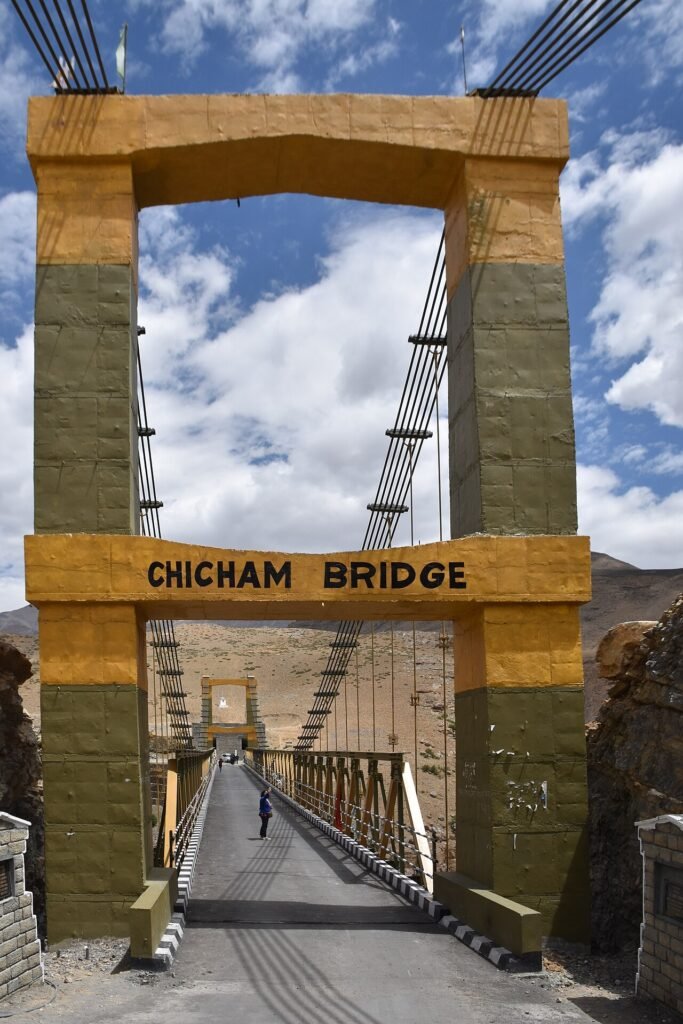
A first high-altitude trip to Himachal Pradesh can be memorable, but it needs a different pace from a regular hill-station holiday. Places in Kinnaur and Lahaul and Spiti sit at elevations where some visitors may feel the effects of thinner air. Roads, weather and access to services can also change quickly. The safest plan is a flexible one that gives your body and the mountains time.
1. Understand altitude before you travel
Altitude affects people differently, regardless of age or fitness. Build gradual acclimatisation into your itinerary, avoid strenuous activity immediately after a major gain in elevation, stay hydrated and do not treat a fixed number of rest hours as a guarantee of safety. If you develop a headache, nausea, dizziness or unusual fatigue, stop ascending and seek advice from a qualified medical professional or local emergency service. Severe or worsening symptoms need urgent attention and may require descent. This guide is not a substitute for medical advice.
2. Choose a route with realistic travel days
Do not try to cover every famous place in one trip. Choose a smaller area, allow daylight for mountain-road journeys and add a buffer day in case weather or road conditions change. Avoid planning a long drive immediately after arrival at a high elevation. Before each transfer, confirm the latest route status with local authorities, police or your accommodation host.
For official visitor guidance, check Himachal Pradesh Tourism Development Corporation travel tips and the Himachal Pradesh State Disaster Management Authority. Conditions reported for one valley may not apply to another.
3. Pack for cold, sun and changing weather
- Layered clothing, including a warm mid-layer and windproof outer layer.
- Comfortable footwear with suitable grip.
- Sun protection, sunglasses and a reusable water bottle.
- Personal medicines, a basic first-aid kit and any prescribed supplies.
- Offline maps, a charged phone, power bank and important contacts saved offline.
- Cash and essential items that may not be easy to find in remote settlements.
4. Prepare for limited services
Mobile coverage, fuel, ATMs, medical facilities and shops can be limited in remote stretches. Confirm accommodation and transport before leaving larger towns. Share your broad route with someone you trust, keep your documents accessible and avoid relying on a single payment or navigation method.
5. Travel respectfully
Stay on established roads and paths, take your waste back with you, follow monastery and temple rules, and ask before photographing residents or private property. Local customs and access restrictions matter as much as the scenery.
How to choose a sensible first route
Start by deciding what kind of journey you want: a short introduction to mountain landscapes, a village-based stay, or a longer high-altitude circuit. Kinnaur and Spiti are not interchangeable, and travel times between settlements can be longer than a map suggests. Pick a realistic base, check the elevation of each overnight stop and avoid stacking several high-altitude nights immediately after arriving from the plains.
When comparing routes, look beyond the number of kilometres. Ask your accommodation host or a reliable local operator about road surfaces, likely driving time, fuel availability, mobile coverage and the nearest place for medical help. Treat online travel times as estimates, not promises. If a route depends on a pass or a remote road, keep a lower-altitude alternative in mind.
A practical pre-departure checklist
- Discuss altitude-related risks and any personal health concerns with a qualified healthcare professional before departure.
- Book the first nights and confirm late-arrival arrangements.
- Check official weather, road and district advisories again shortly before each drive.
- Share your itinerary and expected check-in times with a trusted contact.
- Keep emergency contacts, insurance details and essential medication accessible offline.
- Leave enough time to turn back if conditions deteriorate.
What a responsible high-altitude itinerary looks like
A sensible itinerary has fewer transfers, daylight driving, room for rest and no pressure to reach a viewpoint at any cost. Do not use a scenic stop as a reason to walk higher when you are already feeling unwell. Avoid alcohol and strenuous activity while adjusting to altitude, and follow medical advice rather than social-media itineraries. If you are travelling with children or older family members, plan around the needs and comfort of the least experienced traveller in the group.
For a first visit, the goal is not to collect the maximum number of locations. It is to return safely with enough time to enjoy the places you have chosen.
Explore related Himachal travel guides
Frequently asked questions
How many days should I allow to acclimatise?
There is no single schedule that is safe for everyone. Plan a gradual ascent and ask a healthcare professional for advice before travel, especially if you have health concerns or a history of altitude problems.
Is Spiti suitable for a first-time mountain traveller?
It can be visited by first-time travellers who prepare carefully, but the high elevation, long road journeys and limited services make conservative planning important. Consider local guidance and avoid a rushed itinerary.
Can I travel to high mountain passes in winter?
Access can be restricted by snow, ice and official closures. Never assume a pass is open because it was accessible on an earlier visit. Check current district and police advisories before setting out.
What should I do if I feel unwell at altitude?
Do not continue ascending. Seek prompt medical or local emergency advice, and treat severe or worsening symptoms as urgent.
Where can I check current safety information?
Check official tourism guidance, the State Disaster Management Authority, the India Meteorological Department and local police or district administration updates close to your travel date.
Editorial note: This is general travel information. Road access, weather and local rules change; verify them with official sources before departure.