
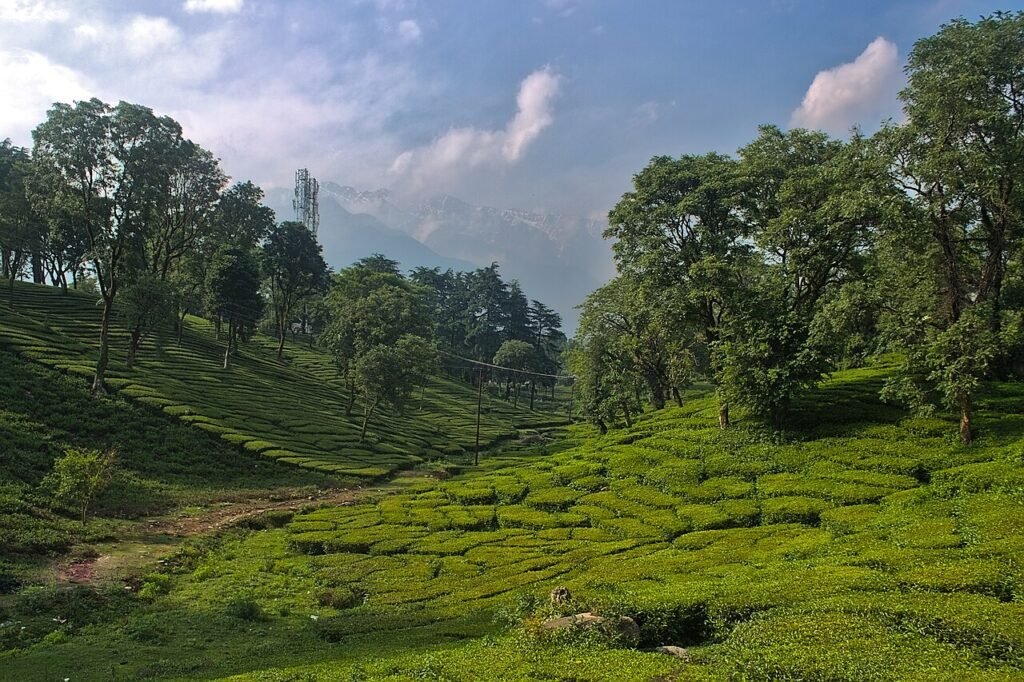
Himachal Pradesh is best explored at a pace that leaves room for the unexpected. Mountain roads take time, weather can change between valleys and each district has its own food, culture and landscape. A packed itinerary may tick off more place names, but a slower journey gives you time to understand where you are.
Choose one region instead of racing across the state
Rather than crossing several districts in a few days, choose a compact area that matches your interests. In Kangra, you can combine time around Dharamshala with Palampur’s tea-growing landscape and the village setting of Bir. In Mandi, explore the old town and plan a separate excursion to a nearby lake when conditions allow. A focused route means less backtracking and more time on the ground.
Give local life a place in your itinerary
Visit local markets, try seasonal food and ask hosts about the stories behind a place. Consider locally run homestays, guides and eateries where practical. In villages, remember that residents are going about their daily lives. Ask before taking photographs and respect private property, religious customs and community spaces.
Build your plans around mountain conditions
Road journeys can take longer than expected. Rain, snow, road work and local restrictions may affect access, so check current information before each transfer. Keep a buffer day and avoid planning an important flight or long onward journey immediately after a remote mountain drive. For outdoor activities, follow qualified local guidance and current operating conditions.
Official visitor advice is available from HPTDC. Check weather and emergency updates through the Himachal Pradesh State Disaster Management Authority.
Travel with a lighter footprint
- Carry reusable items and take rubbish back to suitable disposal points.
- Stay on established paths and avoid disturbing wildlife.
- Use water and electricity thoughtfully in remote accommodation.
- Support local businesses and pay fairly for local services.
- Respect quiet hours and the everyday routines of residents.
A simple slow-travel planning method
- Choose one region and list the experiences that matter most to you.
- Select a small number of practical bases.
- Allow realistic time for road journeys and rest.
- Keep one flexible block for weather, recovery or an unplanned local experience.
- Confirm current access and transport before each leg.
A simple way to build a slower Himachal itinerary
Begin with one main base and list the experiences that matter most to you: walks, food, temples, village stays, photography, birdlife or time with family. Choose nearby places that fit those interests instead of adding destinations simply because they are popular. Check realistic travel times and remember that a short distance on a mountain map can still involve a slow road journey.
- Choose a region: Pick one district or a compact group of nearby places.
- Set a comfortable pace: Keep some mornings or afternoons free rather than scheduling every hour.
- Book locally where possible: Ask hosts about transport, meals and experiences offered by residents.
- Keep a flexible day: Use it for weather changes, a local recommendation or simply resting.
- Travel thoughtfully: Respect local customs, reduce waste and ask before taking photographs.
Slow travel does not mean doing nothing
A slower trip can still include meaningful activities. Spend time at a local market, learn how a regional dish is prepared, take a guided walk, visit a heritage site or sit down with a view without immediately moving to the next stop. The difference is that each activity has room around it. You are less likely to spend the whole holiday packing, checking out and sitting in traffic.
Budget for time as well as money
Slow travel is not automatically cheaper or more expensive. Staying longer in one place may reduce repeated transport costs, while a locally run homestay or guided experience may have a different price from a large hotel or packaged tour. Compare the full cost: accommodation, meals, local transport, activities and the time needed to reach each place. Choose what fits your budget and supports a comfortable pace.
Why flexibility matters in the mountains
Weather, road works, local events and transport availability can affect plans. A tightly packed itinerary leaves little room to respond. Keep bookings flexible where practical, confirm important arrangements directly and avoid non-refundable commitments that depend on uncertain road access. If a host or local authority advises against a journey, change the plan rather than taking a risk to preserve a checklist.
Make local participation part of the journey
Choose locally run accommodation, guides, eateries and craft sellers when they suit your needs. Ask questions with interest, pay agreed prices and respect privacy. These choices can help more of your travel spending remain in the places you visit, while giving you a more grounded understanding of everyday life in Himachal.
Explore related Himachal travel guides
Frequently asked questions
What does slow travel mean in Himachal Pradesh?
It means choosing fewer destinations, spending more time in each place and allowing for local experiences, rest and changing mountain conditions.
How many days should I plan for a slow Himachal trip?
There is no single ideal duration. Choose one region and allow enough days to explore without long daily transfers. Your route and starting point will determine the practical length.
Is slow travel more expensive?
Not always. Fewer transfers can reduce transport costs, while longer stays may offer different accommodation rates. Costs depend on season, location and travel style.
Where should first-time visitors start?
Start with a region that matches your interests and has practical transport and accommodation options. Avoid combining distant valleys simply to fit more names into one itinerary.
How does slow travel help local communities?
Spending more time in a place can create more opportunities to use local accommodation, guides, eateries and shops. Choose community-led services respectfully and pay fair prices.
Slow travel is not about doing nothing. It is about giving each place enough time to become more than a stop on a route.