
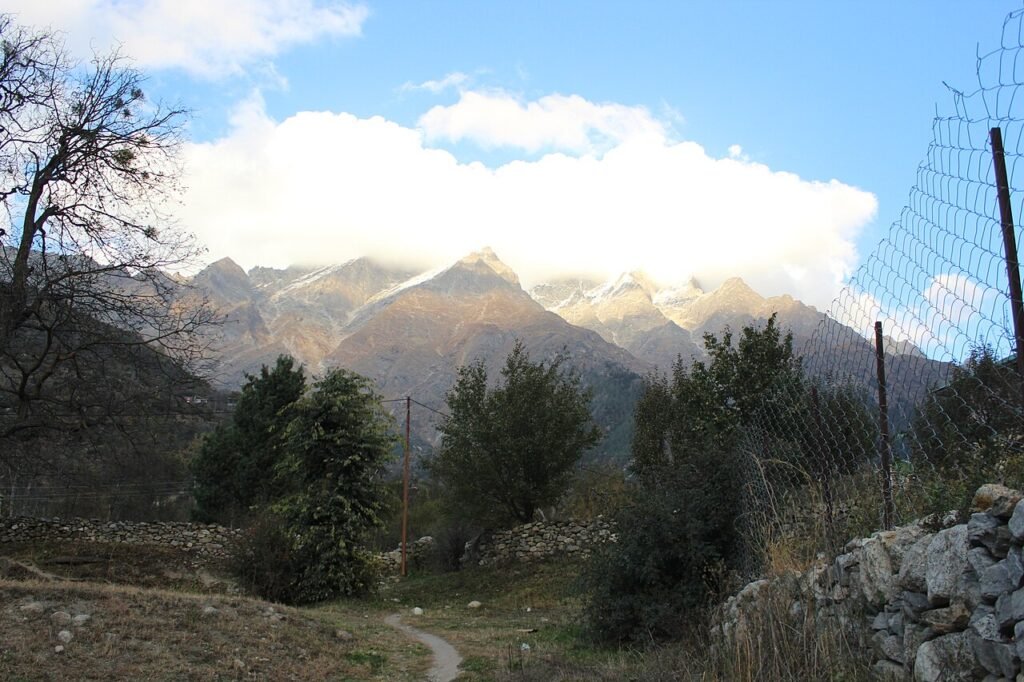
A village in Himachal Pradesh is not an attraction built only for visitors. It is someone’s home, workplace and community. Travelling responsibly means enjoying the landscape while respecting the people who live there. A few thoughtful choices can make a visit more comfortable for residents and more rewarding for travellers.
Choose local experiences with consent
Where available, consider locally run homestays, guides, food experiences and craft workshops. Ask what an experience includes, who provides it and whether visitors are welcome at that time. Do not assume that a private home, farm, orchard or community space is open to the public. Pay agreed prices fairly and avoid pressuring hosts for discounts that undermine local work.
Ask before taking photographs
Always ask before photographing residents, children, homes, private land or ceremonies. A public viewpoint does not mean every person in the frame has agreed to be photographed. If someone says no, accept it without argument. Avoid blocking paths, interrupting work or staging scenes that misrepresent everyday village life.
Follow customs at temples and monasteries
Religious places are active spaces for prayer and community life. Follow posted instructions, dress appropriately, remove footwear or cover your head where requested, and keep noise low. Photography may be restricted in some buildings or during ceremonies, so ask before using a camera.
Reduce your impact on the mountain environment
- Carry reusable bottles and bags where practical.
- Take wrappers and other waste back to a suitable disposal point.
- Stay on established paths and do not damage plants, walls or fields.
- Do not disturb wildlife or feed animals.
- Use water and electricity thoughtfully, especially in remote accommodation.
- Avoid loud music and unnecessary vehicle movement in quiet settlements.
Support local livelihoods thoughtfully
Buy food, crafts and services directly from local businesses where possible. Ask about the origin of handmade items and choose experiences that are transparent about who benefits. Community-led tourism works best when residents have a real say in how visitors enter and use local spaces.
Plan with patience
Rural transport, shops and services may be limited. Confirm arrangements in advance, allow extra time and be polite when plans change. Our guide to slow travel in Himachal shares more ways to make a trip less rushed and more connected to local places.
Before you enter a village: a visitor’s etiquette checklist
Check whether the place you want to visit welcomes independent visitors and whether there are any local restrictions. Some homes, orchards, fields and community areas are private even when they appear beside a public road. If you are unsure, ask your host or a locally recognised guide where visitors may walk. Keep gates closed when asked, do not pick fruit or crops and never treat a working farm as a photo set.
- Greet people politely and give residents space to continue their daily work.
- Ask permission before photographing people, homes, ceremonies or private property.
- Follow signs and instructions at temples, monasteries and community spaces.
- Keep voices and music low, especially early in the morning and late at night.
- Use marked paths and avoid blocking narrow roads or entrances.
- Take all litter with you if a suitable disposal point is not available.
Choose homestays and local services thoughtfully
A locally run stay can help visitors learn about an area while supporting people who live there. Before booking, ask what is included, how meals are arranged, whether hot water or heating is available and what payment methods are accepted. Be clear about arrival time and dietary needs. Respect household routines and remember that a homestay is someone’s home, not a hotel with unlimited facilities.
When buying crafts or booking a guide, ask respectful questions about the work and agree on the price before the service begins. Avoid bargaining in a way that dismisses the time and skill involved. If a community member declines a conversation or photograph, accept that answer.
Religious and cultural spaces need extra care
Rules differ between sites. Look for signs about footwear, clothing, head coverings and photography, and ask a caretaker if instructions are unclear. Do not touch ritual objects, interrupt prayers or enter restricted areas. During festivals or ceremonies, keep a respectful distance and follow crowd guidance rather than trying to get a closer photograph.
Leave a lighter footprint
Mountain settlements have limited space and infrastructure for waste and water. Carry a refillable bottle, avoid disposable packaging where possible, use toilets responsibly and do not leave food scraps or plastic behind. Be considerate with water and electricity, particularly in remote stays where supplies may be limited. Responsible travel is not about being perfect; it is about making choices that do not shift the cost of a holiday onto the people who live there.
Explore related Himachal travel guides
Frequently asked questions
Can tourists visit traditional Himachal villages?
Many villages welcome visitors, but access to homes, farms and community spaces is not automatic. Use locally recommended routes and experiences, and follow residents’ guidance.
Is it okay to photograph people in villages?
Ask for permission first, especially when photographing children, homes, private property or religious events. Respect anyone who does not want to be photographed.
How can I support local communities?
Choose locally run accommodation, guides, eateries and craft sellers where practical. Pay fair prices and respect the time and knowledge involved in local services.
What should I wear at temples and monasteries?
Dress modestly and follow the specific instructions at each site. Some places require shoes to be removed or heads to be covered.
How can I reduce waste while travelling?
Carry reusable items, avoid unnecessary packaging, use designated disposal points and take your rubbish with you when bins are unavailable.
Responsible travel starts with listening to local people and treating the places you visit as living communities.