
Food is one of the best ways to understand the different regions of Himachal Pradesh. Recipes change from valley to valley, and what is served at a family celebration may be different from a café menu in a busy tourist town. Rather than looking for one fixed list of dishes, ask local hosts what is prepared in the area and what is in season.
Dham: a traditional celebratory meal
Dham is a traditional festive meal associated with community occasions in parts of Himachal. The dishes and serving customs vary by region. A meal may include lentils, rice, curd-based preparations and other local recipes, but there is no single menu that represents every district. If you have the chance to try dham, ask your host about the local tradition behind the dishes.
Madra and other slow-cooked dishes
Madra is a well-known Himachali preparation often made with legumes in a yoghurt-based gravy. Ingredients and seasoning differ between households and regions. You may also come across rajma, chana and other pulses prepared with local spices. Ask about the ingredients if you have dietary restrictions.
Siddu and local breads
Siddu is a steamed bread found in parts of the state, particularly in the western and central mountain belt. It is commonly served with accompaniments such as ghee or chutney, depending on the household and locality. Local breads are worth trying because recipes reflect the grains and cooking traditions available in each region.
Tea, fruit and seasonal produce
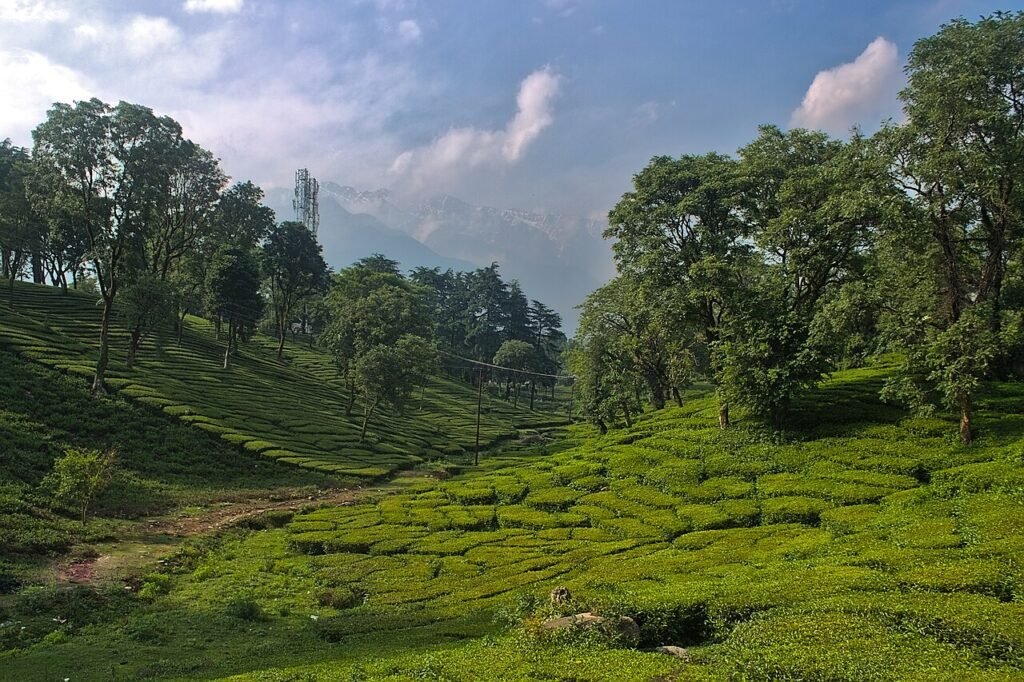
The Palampur area in Kangra is associated with tea gardens. Several mountain areas are also known for seasonal apples, apricots and other fruit. Availability depends on harvest timing and location, so a local market or host is often the best guide to what is fresh during your visit.
Tibetan and wider regional influences
Dharamshala and McLeod Ganj have strong Tibetan cultural influences, and visitors will find dishes such as momos and thukpa alongside Indian and international café food. In other towns, menus may reflect Punjabi and broader North Indian traditions. These influences are part of the region’s diverse food culture.
How to enjoy local food thoughtfully
- Ask what is locally prepared and seasonal rather than expecting every dish everywhere.
- Try locally run eateries and homestays where practical.
- Tell the host clearly about allergies or dietary needs before ordering.
- Ask about ingredients if you avoid dairy, gluten, nuts or particular spices.
- Choose sensible portions and reduce single-use packaging.
Where food traditions vary across Himachal
Himachali food is regional rather than one uniform cuisine. Ingredients and cooking styles reflect local crops, climate, family traditions and community occasions. A dish served at a festive gathering in one district may be prepared differently elsewhere. Ask the person serving the meal what is local to that area, and be open to seasonal dishes rather than expecting the same menu in every town.
What to know before trying local dishes
Siddu is a steamed bread found in parts of Himachal and is commonly served with accompaniments that vary by household and restaurant. Madra is a rich preparation associated with the region, often featuring legumes and a yoghurt-based gravy. Dham refers to a traditional celebratory meal, with menus and serving customs that differ by region. These dishes are worth asking about, but availability depends on the restaurant, season and occasion.
In areas such as Dharamshala and McLeod Ganj, visitors can also find Tibetan food traditions, including momos and thukpa. These are part of the area’s diverse food scene, not substitutes for the many local Himachali traditions found across the state.
How to find a genuine local food experience
- Ask your homestay host or a local resident which dishes are prepared nearby.
- Look for seasonal menus and small eateries with a clear local offering.
- Ask whether a traditional meal needs to be ordered in advance.
- Check ingredients and preparation methods if you have dietary restrictions.
- Be patient during busy meal times; some dishes are prepared fresh and may take longer.
Vegetarian, vegan and allergy considerations
Many familiar Himachali dishes are vegetarian, but recipes vary and may include dairy, ghee, yoghurt, nuts or other ingredients. Do not assume a dish is vegan or free from a particular allergen based on its name. Explain your requirements clearly and ask the cook or server about ingredients and possible cross-contact. In smaller settlements, carrying a suitable snack can be useful if your dietary needs are specific.
Eat with curiosity and respect
Food is connected to family and community life. If you are invited to share a meal, follow your host’s lead on serving customs and timings. Ask before photographing people or private kitchens, and avoid wasting food. A simple question about how a dish is prepared can lead to a more meaningful experience than treating a meal as just another item on a checklist.
Explore related Himachal travel guides
Frequently asked questions
What food is Himachal Pradesh famous for?
Popular examples include dham, madra, siddu and regional pulse dishes. The food varies by district and community, so local recommendations are useful.
What is dham in Himachal Pradesh?
Dham is a traditional celebratory meal served at community and family occasions in parts of Himachal. Its menu and preparation differ across regions.
Where can I try siddu?
Siddu is found in several parts of Himachal, especially in areas where it is part of local food traditions. Ask your accommodation host or a trusted local eatery about availability.
Is Tibetan food available in Dharamshala?
Yes. Dharamshala and McLeod Ganj have Tibetan cultural influences and many eateries serving dishes such as momos and thukpa.
Can vegetarians find local Himachali food?
Many traditional meals include lentils, beans, vegetables and dairy-based preparations. Ask about ingredients and cooking methods, especially if you have specific dietary requirements.
Food names and recipes can vary between communities. Treat local hosts and cooks as the best source for the story behind each dish.